
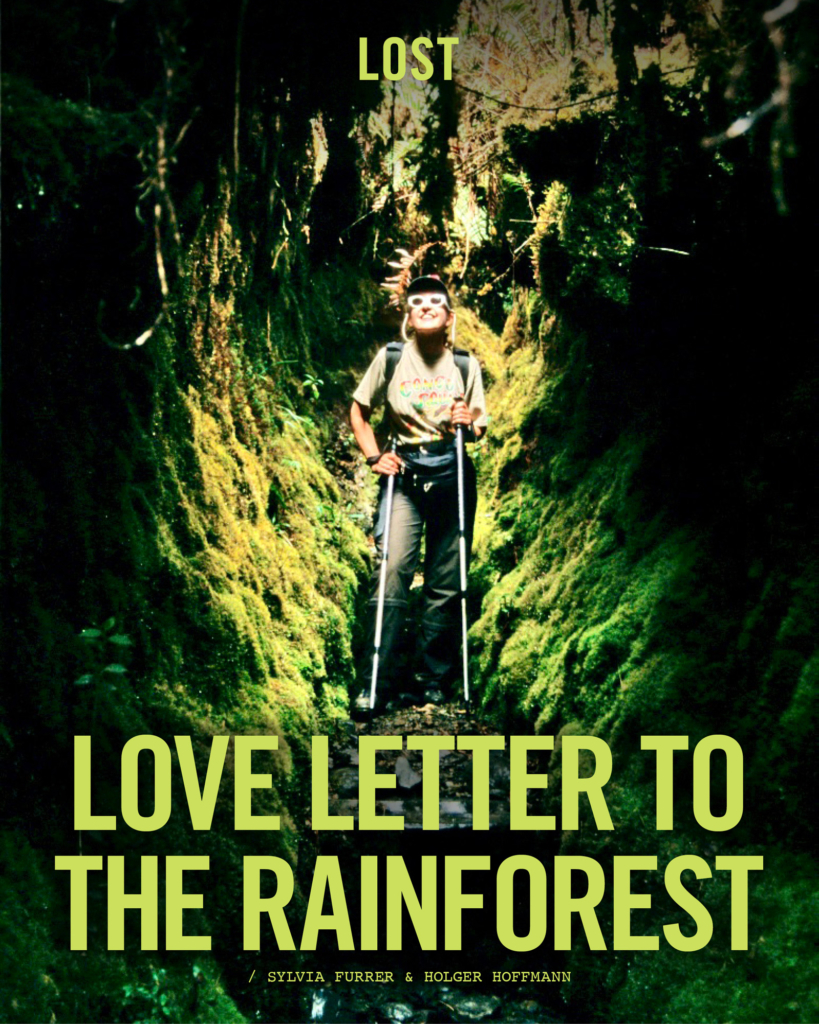
LOVE LETTER TO THE RAINFOREST
BY SYLVIA FURRER & HOLGER HOFFMANN
The idea of the “rainforest” is associated with green hell. For me, it triggers the opposite: in the more than 45 years that I have been exploring our planet, I have never felt such euphoria, neither in the mountains, no matter how high and spectacular their peaks may be, nor in the deserts, no matter how graceful their dunes or bizarre their rock formations, as I have in the jungles of Africa, New Guinea or the Amazon basin.
After an eight-hour hike on the Madidi Trail in Bolivia, I was thoroughly drenched in sweat and humidity when our guide found a place where we could pitch our tents. Only I wanted to continue. I felt no fatigue, only excitement about everything I had seen. So many unknown things. It felt as if I had been hiking through a gigantic laboratory where new varieties of plants and insects had been developed since time immemorial. My body felt as if it were dissolving into molecules and was no longer distinguishable from its surroundings. And that didn’t feel like death, but like the ultimate sense of being here. I had only experienced a similar feeling of dissolving into tiny particles in the wintery Siberian tundra: the sky was opaque and foggy white, the ground covered in snow, no boundary between heaven and earth, and me in the middle of it all, hours away from the nearest settlement. I felt as light as a feather carried by the air. I feel the same way when I immerse myself in the archaic sea of green. It’s like intoxication, and I wish this feeling could last for eternity. In the words of Faust and Goethe: “Beautiful moment, do not pass away!”
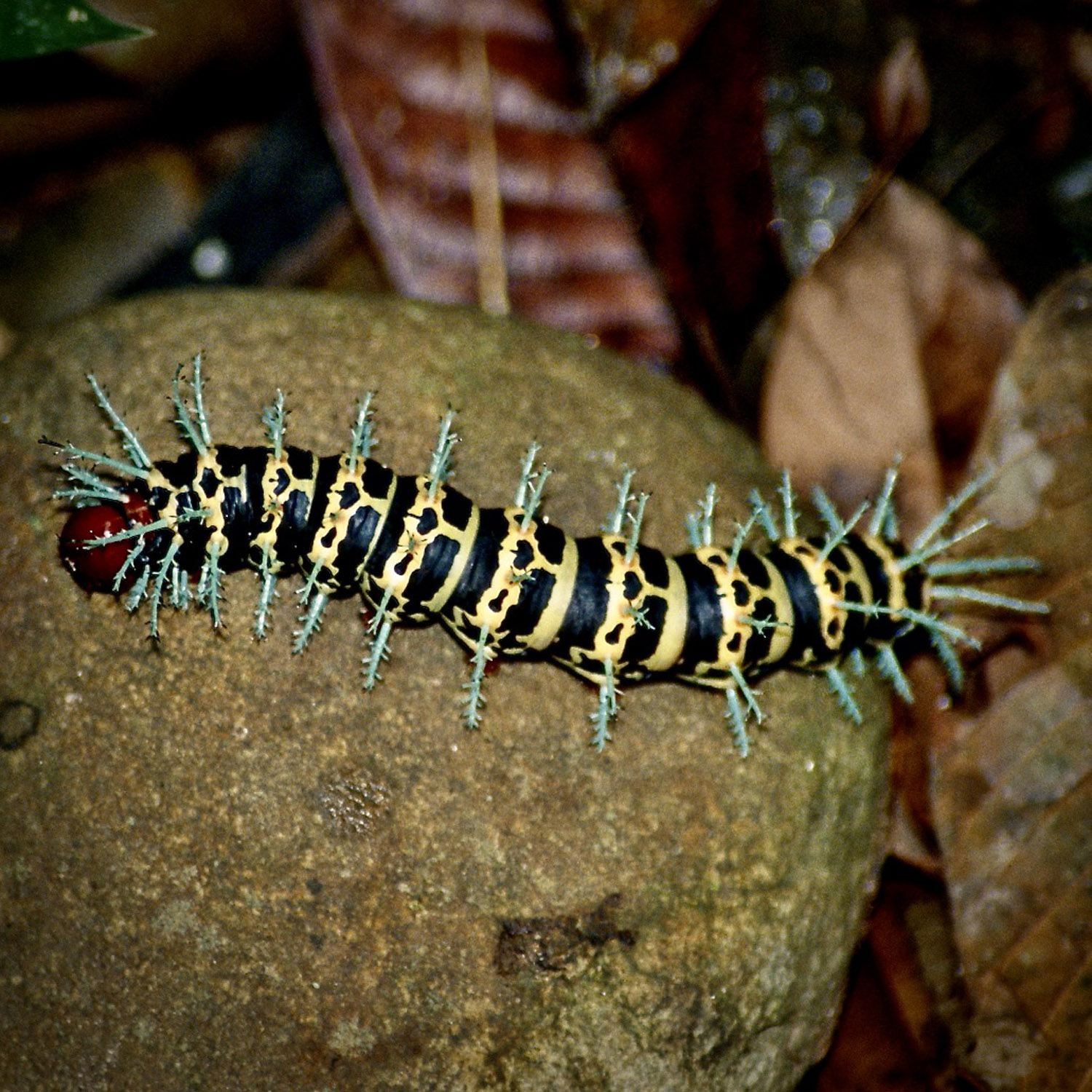
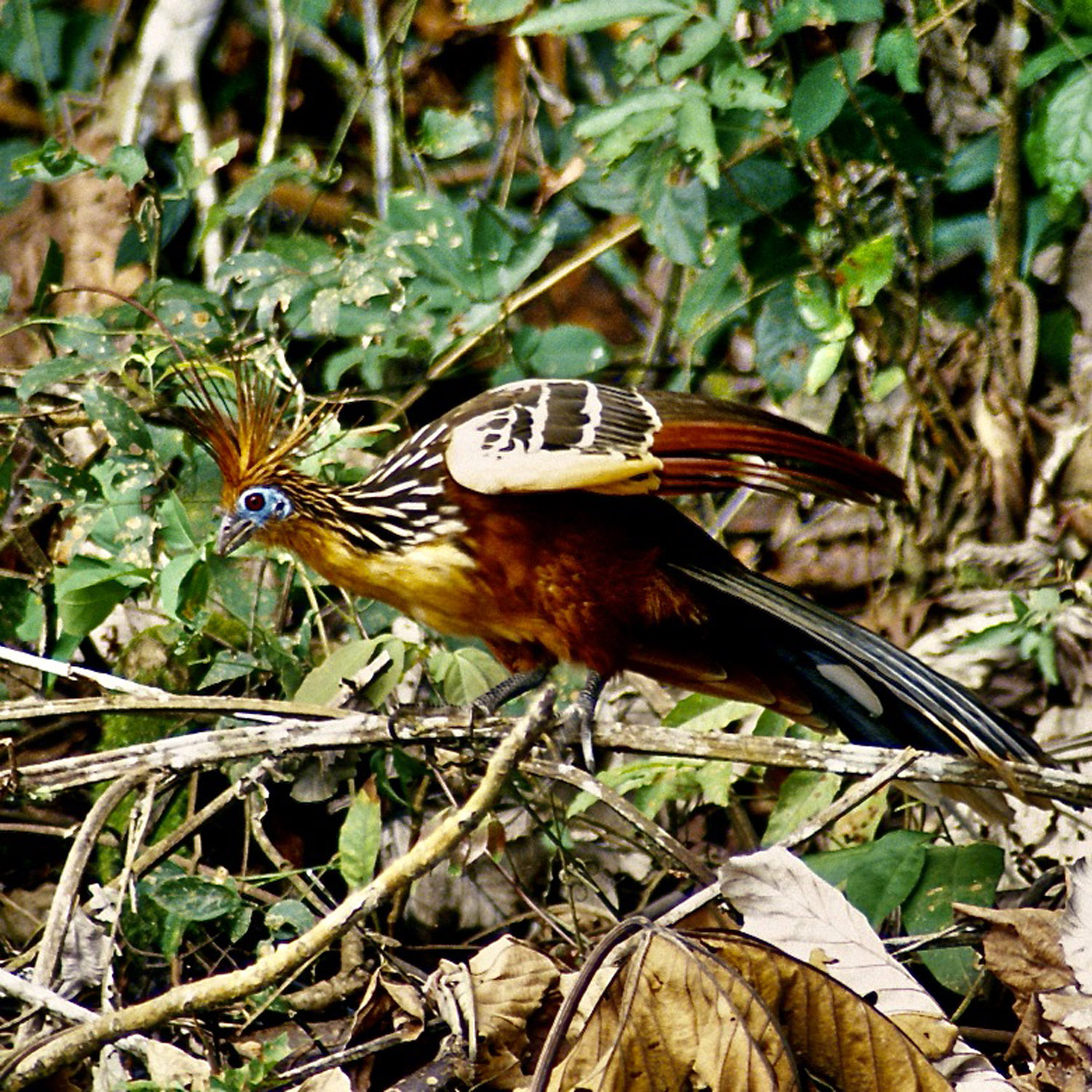
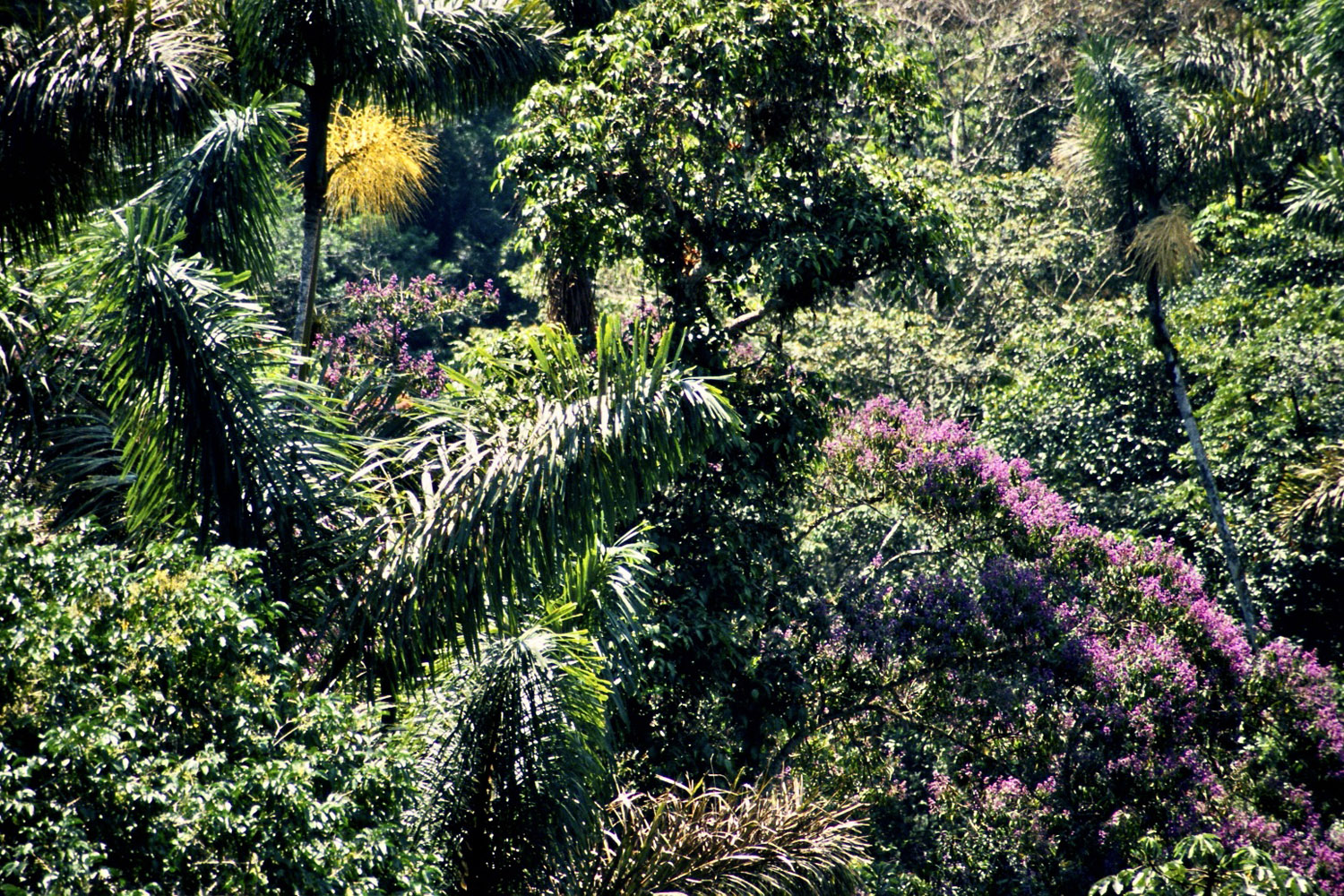
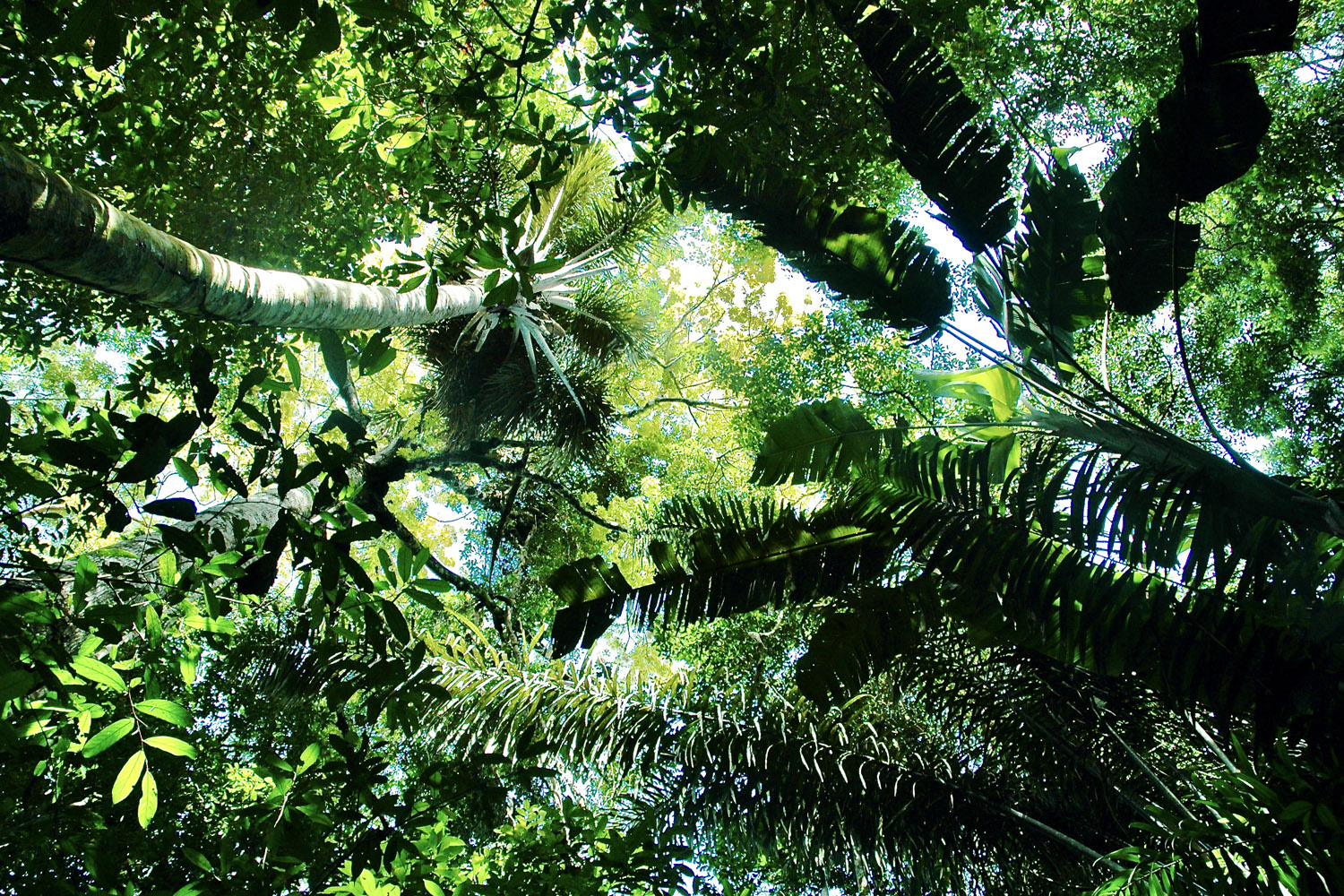
The daylight in the jungle is never harsh. The sun’s rays are filtered through the tall, sometimes gigantic trees and dense foliage. Only at midday do individual spots of light dance on the damp ground covered with fallen, brown-coloured leaves. The background noise also seems muffled. Birds are hardly audible and not visible, except perhaps near clearings. It is only at night that my ears can focus on the different sounds. Then the jungle comes to life. The forest is filled with the polyphonic concert of birds, the croaking of frogs and the indefinable whispering, chirping and screeching of animals hunting for prey at night.
When we visited the Hoti and Penare tribes in Venezuela, we spent three weeks sleeping in hammocks with mosquito nets that reached down to the ground. The canopy of leaves provided protection from above. During our entire stay in the jungle, we did not see a single wall. Hundreds of pairs of eyes belonging to lizards, spiders, beetles and other insects watched us. Of course, it took more than one night to get used to this “lack of privacy”. Nevertheless, we never felt any fear. After all, from our point of view, the indigenous people live just as unprotected. On all our travels to even the most remote and supposedly dangerous areas, I always told myself: women live here with their babies. So I’ll manage somehow too. It’s their home and they know all the potential dangers.
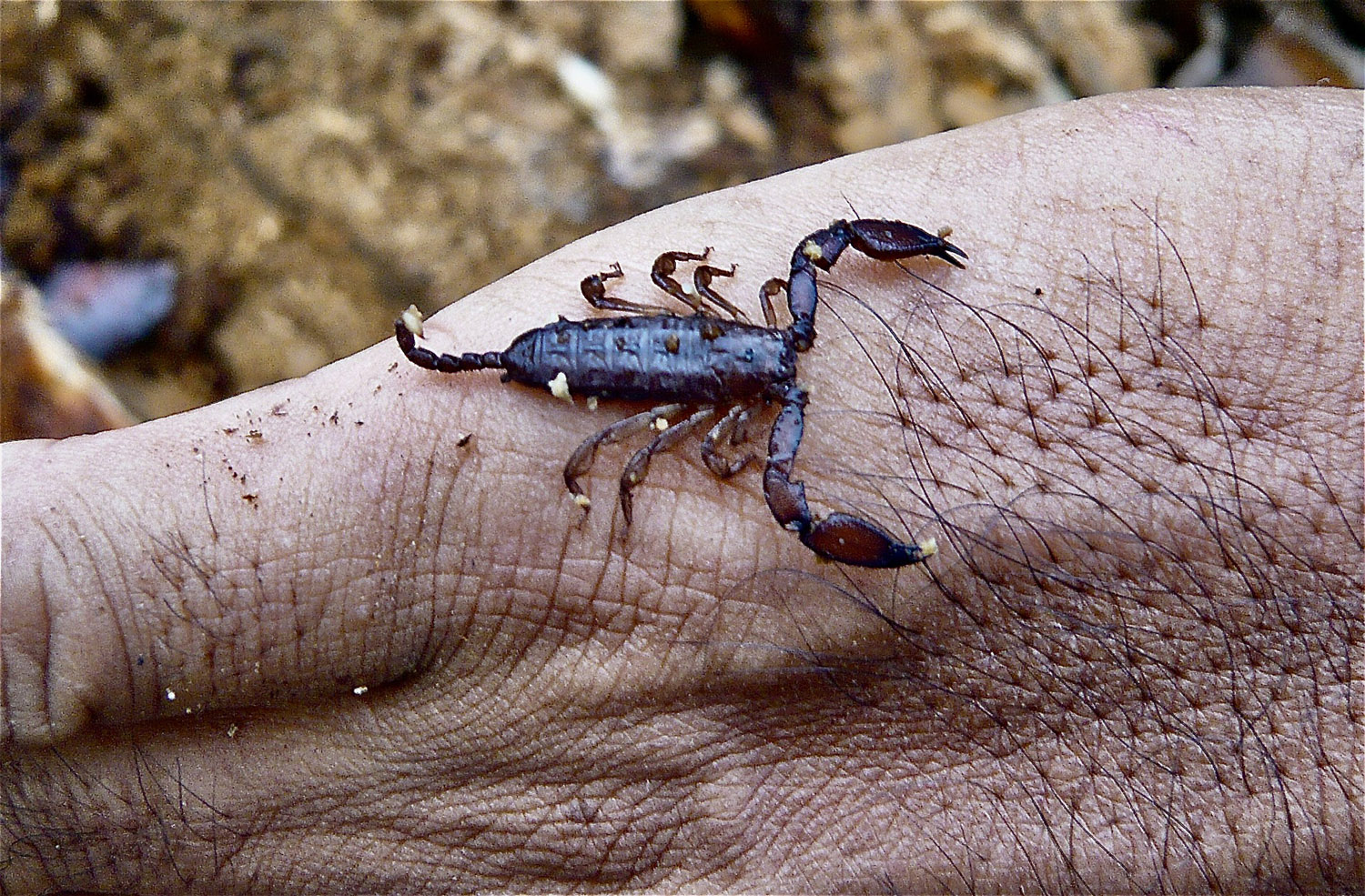
Apart from accidents, the greatest risks in the rainforest were scorpions and snakes. They can hide anywhere, especially where we least expect them. When we were travelling by pirogue in the Congo, a scorpion hid under the plastic tarpaulin and stung one of our companions while he was unloading. It was extremely painful and there was no medical help far and wide. We had to wait and keep calm. Another time, one of our companions stepped barefoot on a poisonous snake in the jungle of Venezuela, which was well camouflaged in the brown leaf litter. However, it was so sluggish that it simply remained lying there and we were able to photograph it from a safe distance. There were also surprises when dealing with piranhas: one was that even small children bathe without fear in the streams near the villages where piranhas are also fished. Full of confidence, we took our morning bath alongside them.
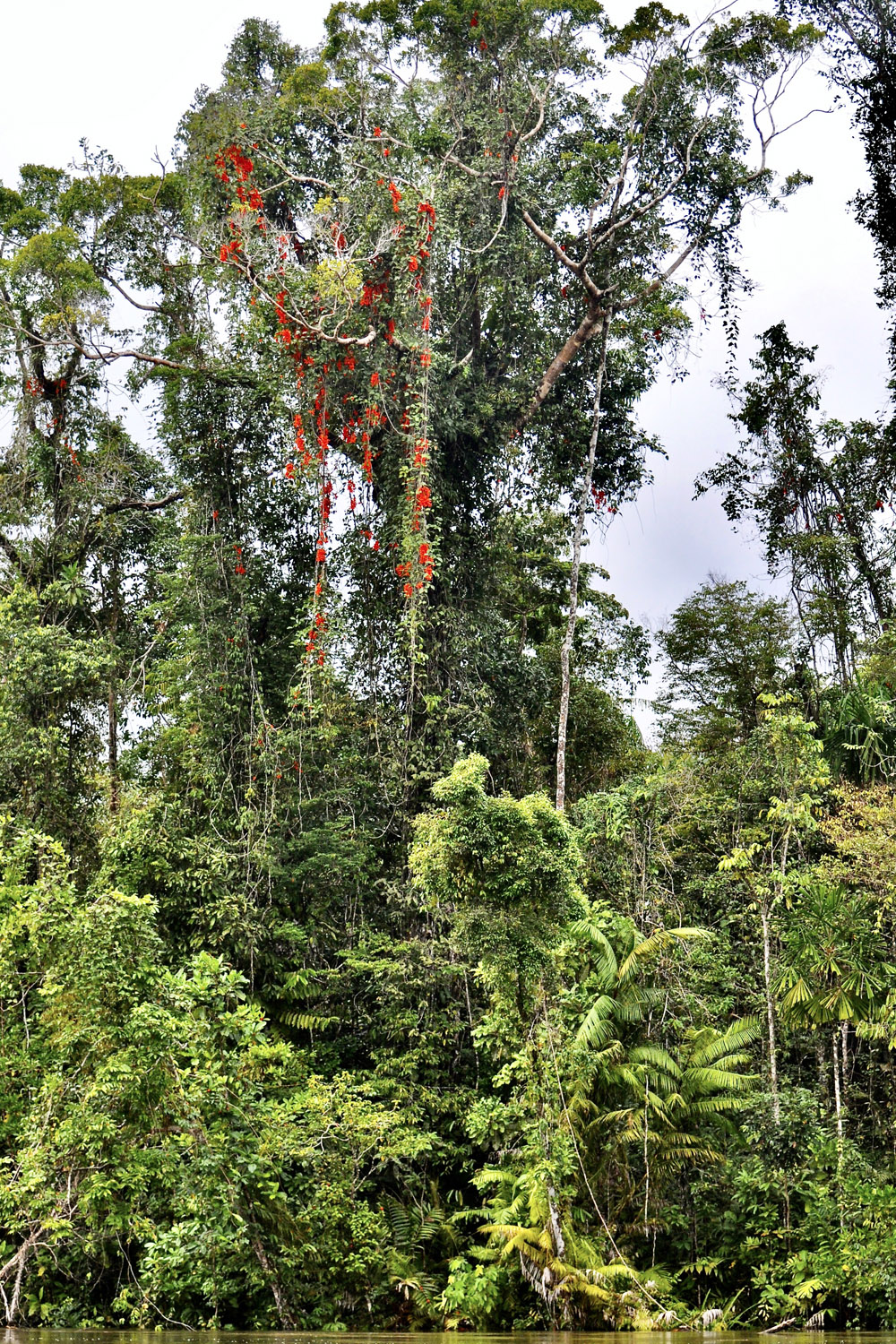
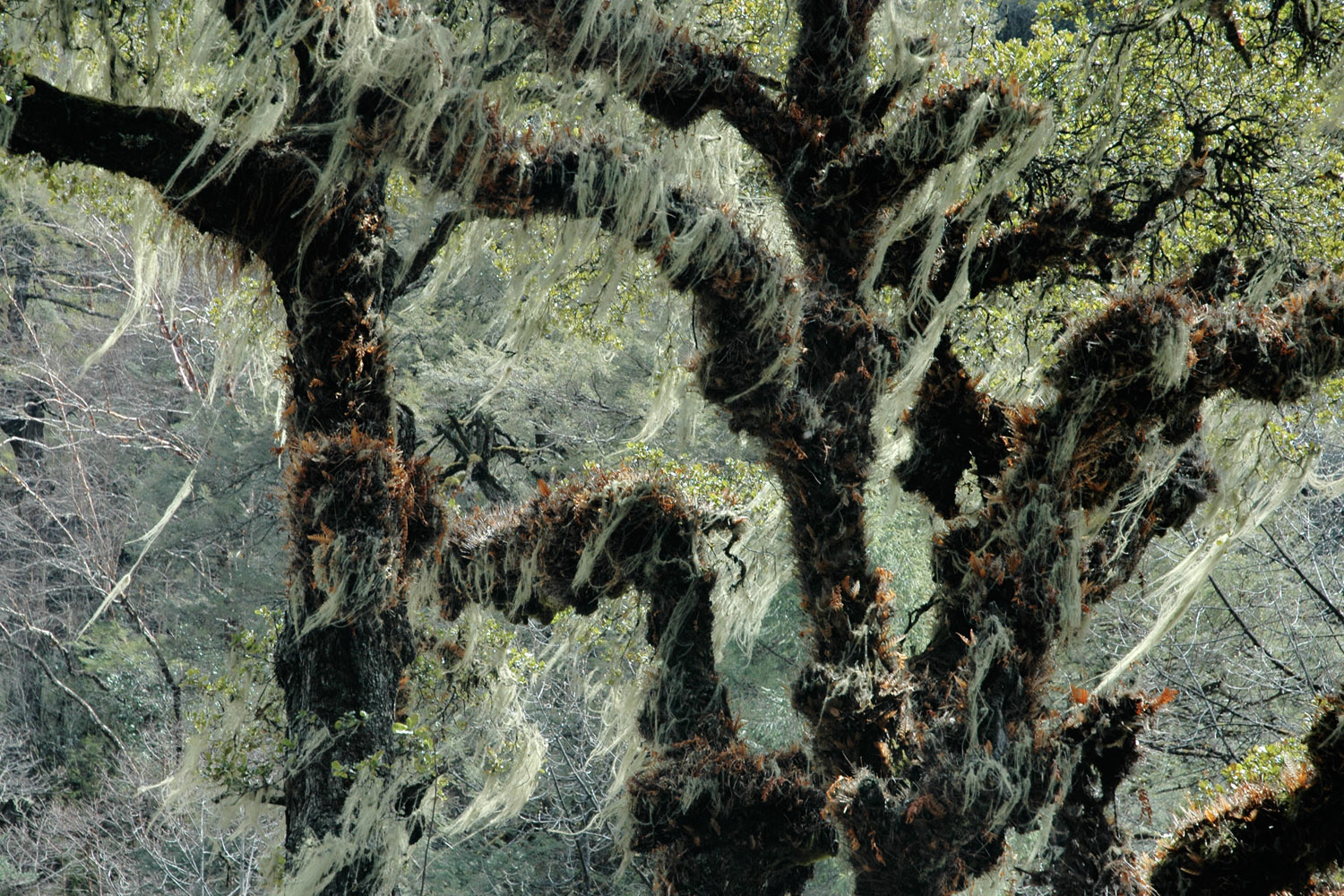
Those who have the stamina and strength for treks lasting several days can experience different vegetation zones within a few days, whether in the Andes on the Madidi Trail or in the Sierra Nevada de Santa Marta, the retreat of the Kogi and Arhuaco peoples, but also in the highlands of West New Guinea and when climbing Kilimanjaro or Ruwenzori. What fascinates me most here is the cloud forest. The ground is covered with huge moss cushions, and lush beard lichens blow towards you from the branches. High up in the canopy, a troop of monkeys plays here and there, and above it all, clouds gather and regularly rain down. The higher we climb, the gnarled the trees become. The forest becomes lighter and the trees lower until it is replaced by a moorland landscape with giant lobelias and senecias.
Accompanying the Efe pygmies on a hunt in the Ituri Forest was also an unforgettable experience. Each of the adults carries a 10-20 metre net on their back, and some of the women also carry their babies. We are “parked” at the foot of a huge jungle tree. We are told to wait here while the women and men stretch their metre-high nets into a semicircle about 200 metres wide. They are attached to hanging branches and tied together. Then the women disappear into the dense undergrowth. The men hide near the nets and wait until the women have formed a line far enough away. For a while, only the sounds of the jungle can be heard. Then an infernal noise rises, a yodelling singing and screeching. Together, the women drive antelopes and gazelles towards the net. At dusk, we return from the hunt. The camp consists of about a dozen igloo-shaped leaf huts, built on the edge of a clearing, in the middle of which stands a pergola covered with large palm leaves, with various stools and deck chairs made from materials found in the rainforest. Each family prepares dinner in front of their hut on a fire from the animals they have caught.
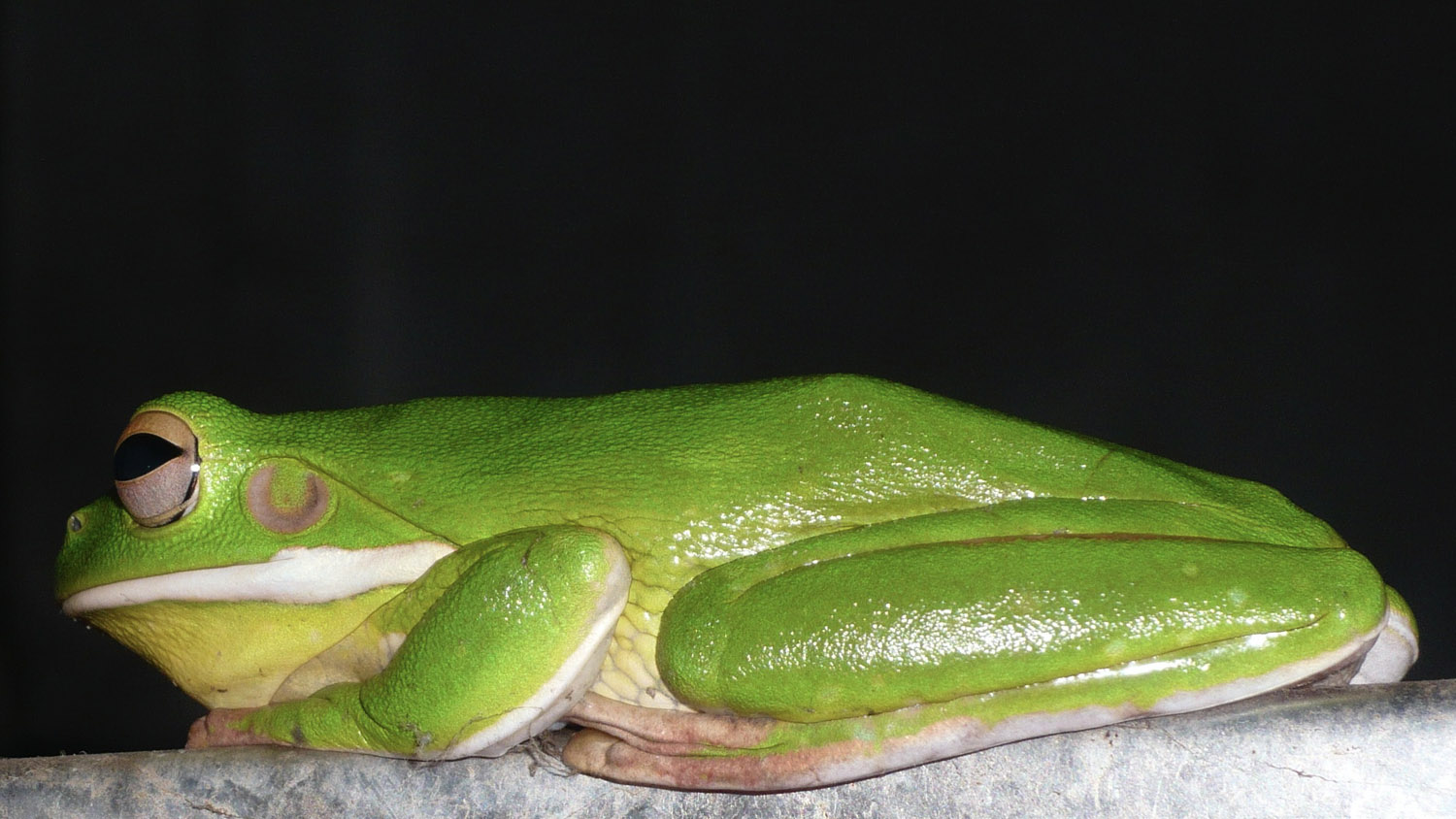
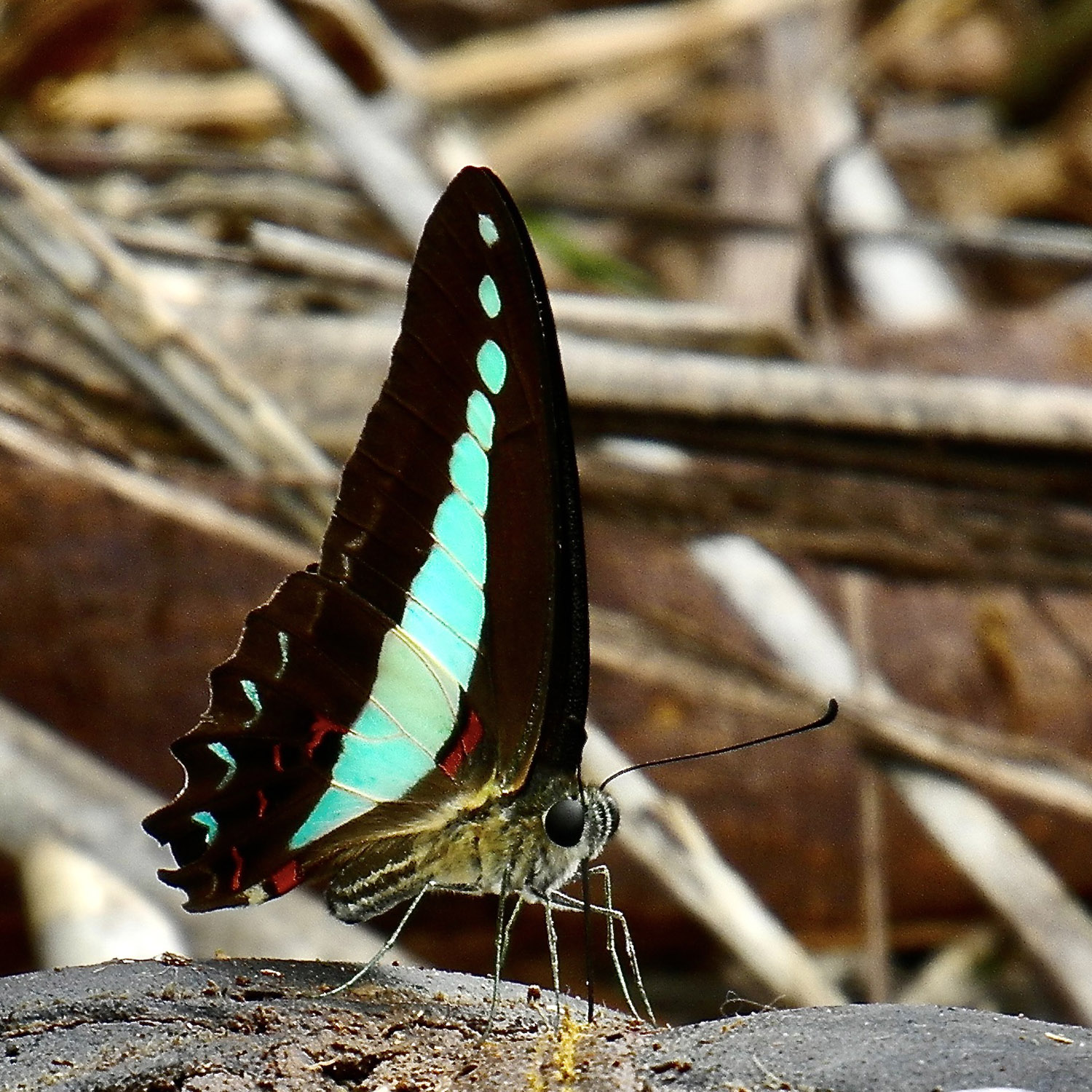
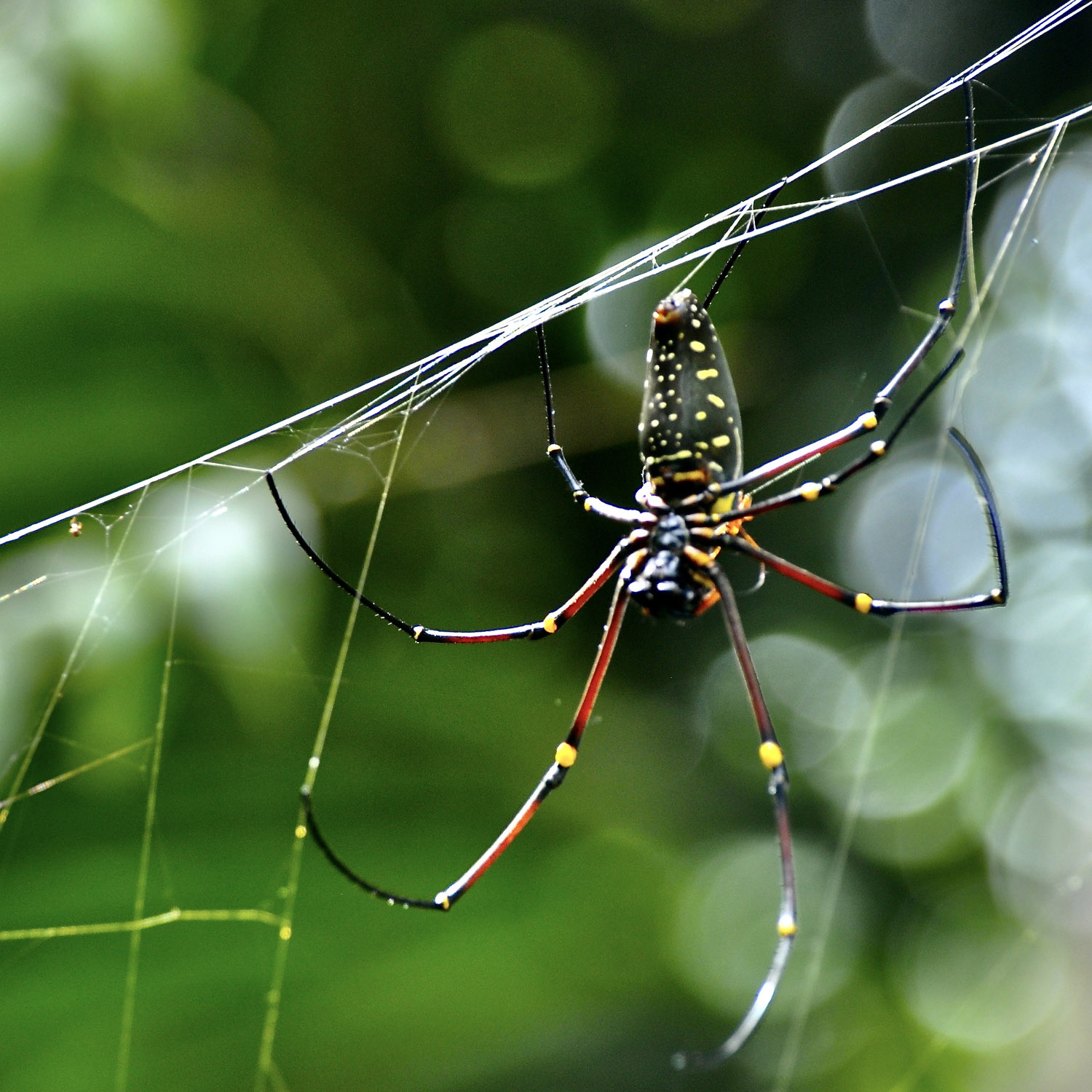
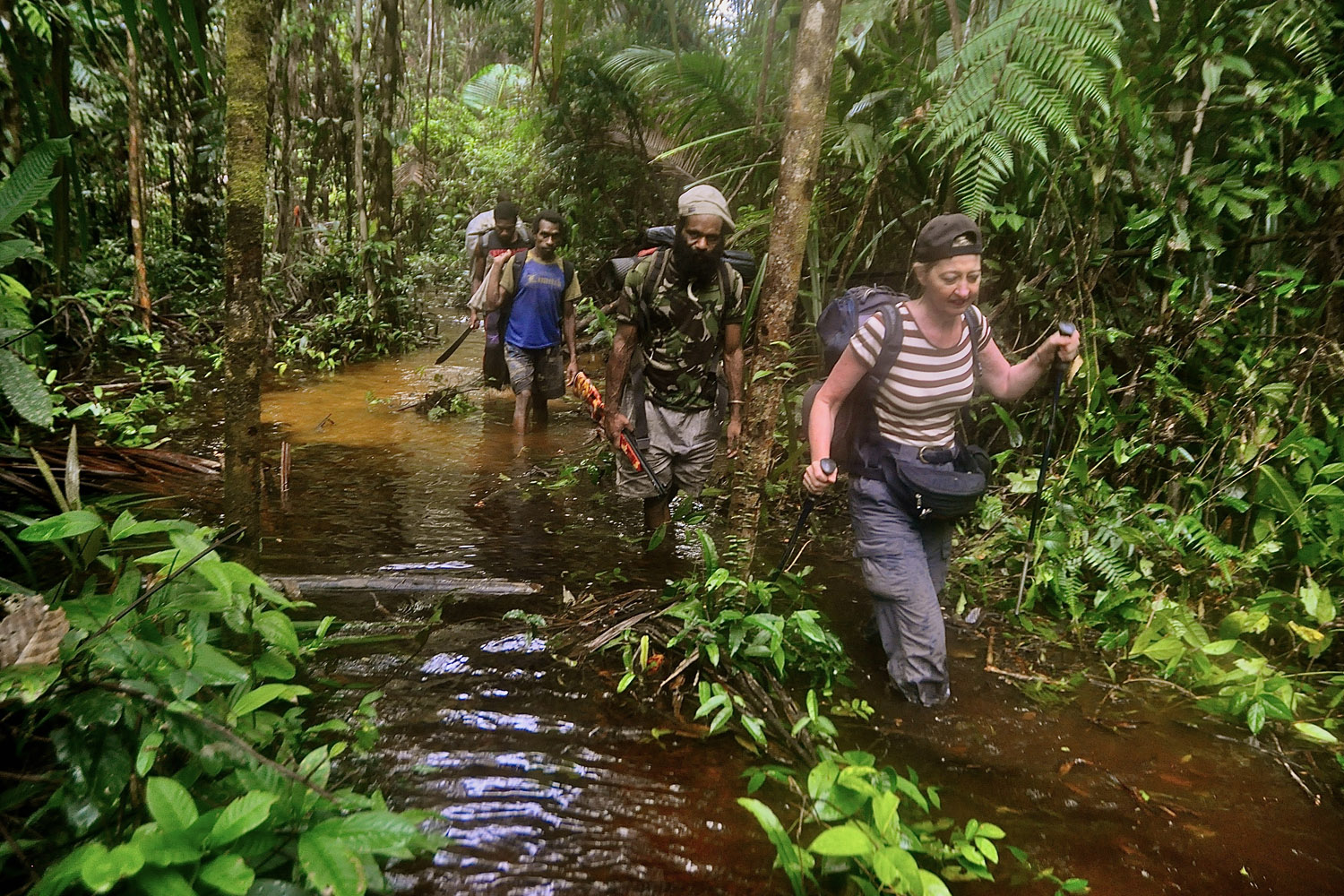
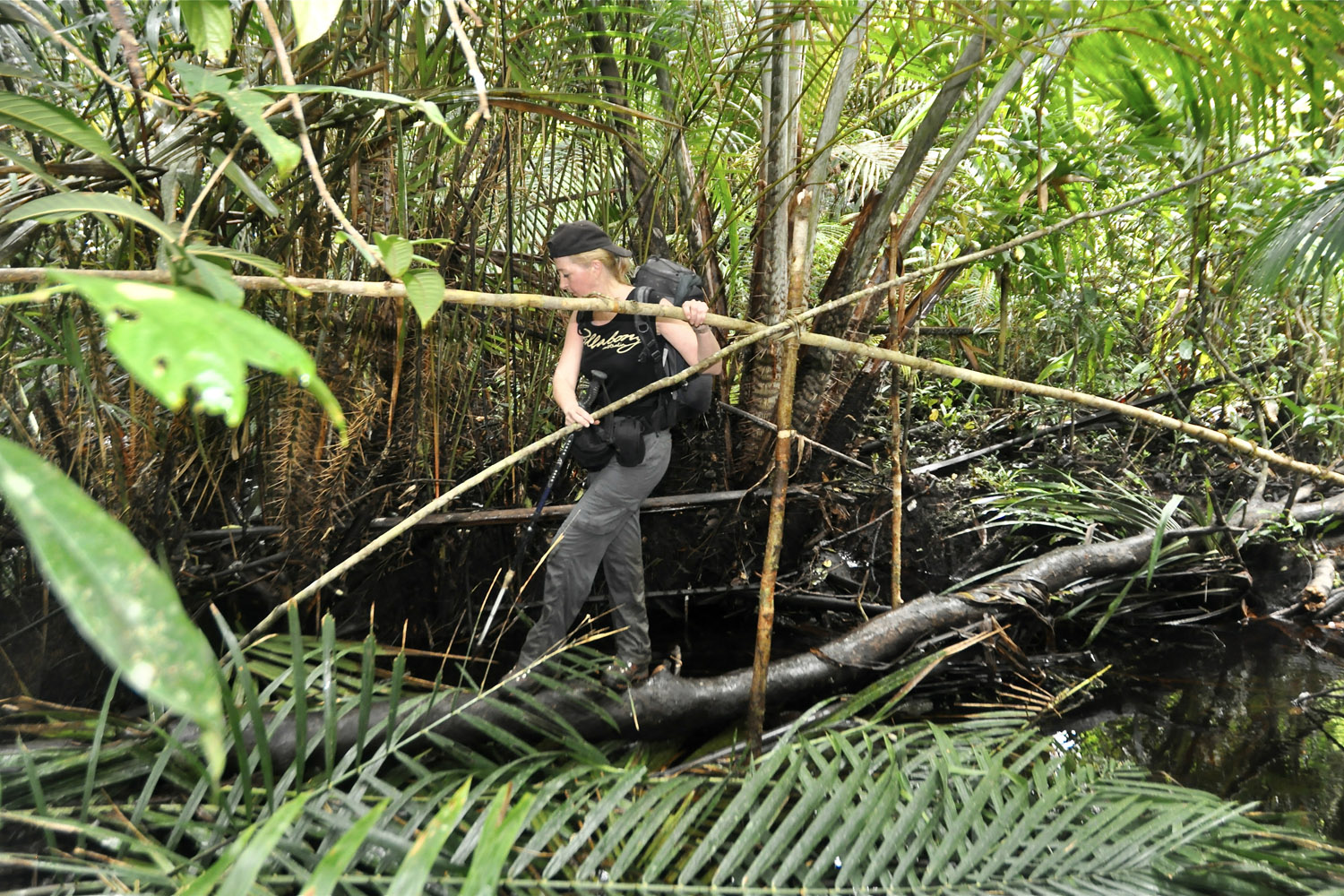
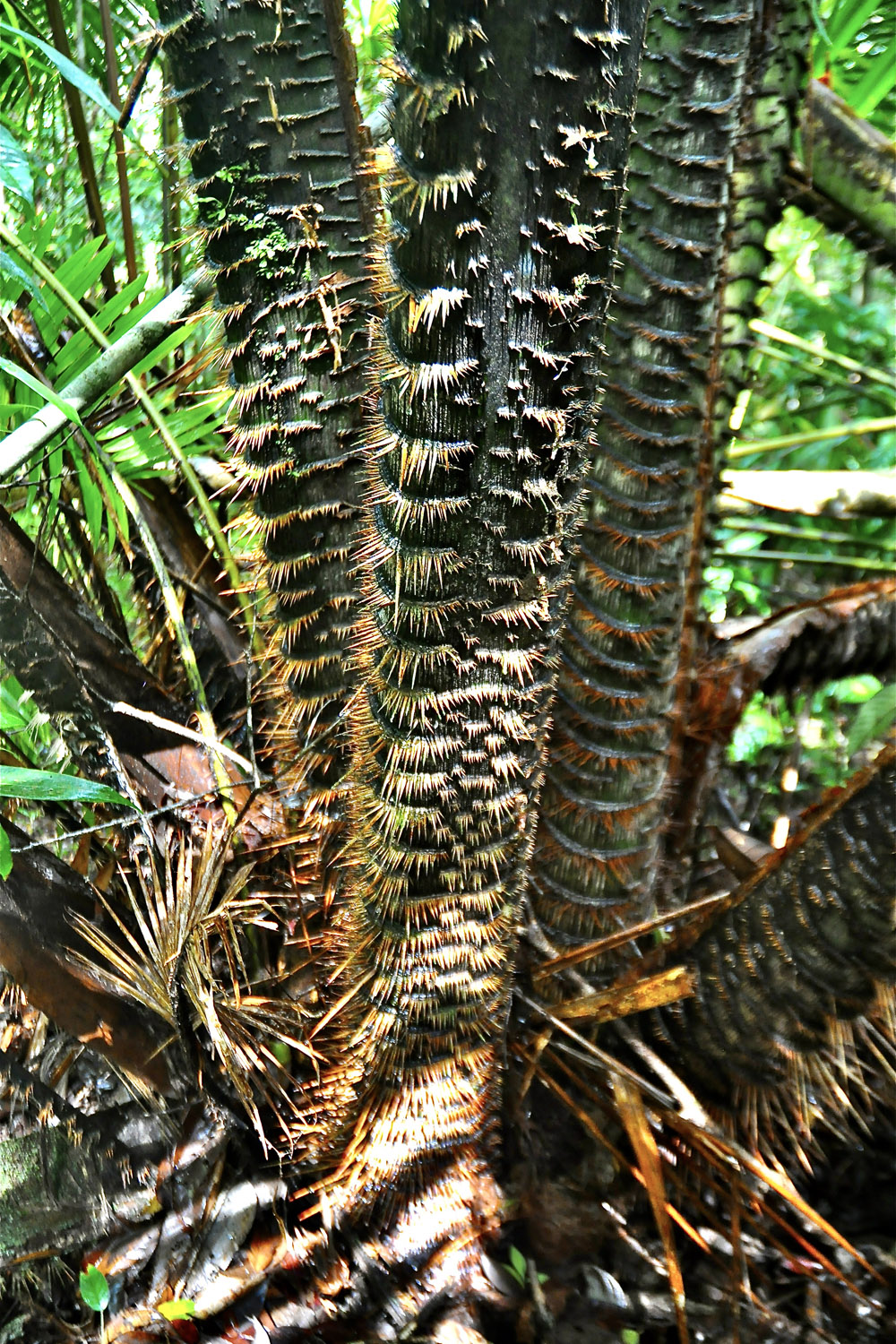
Walking through the swampy rainforest in the lowlands of West New Guinea was a particular challenge for me. We were on our way to visit the Korowai people, who live in tree houses. We waded knee-deep in the swamp for hours or balanced on fallen tree trunks. They were slippery, overgrown with plants and usually the only way to cross a stream that you didn’t necessarily want to fall into. However, we were richly rewarded for our efforts by the lush nature and the anticipation of meeting the Korowai. Of course, it’s no fun when your telescopic walking stick breaks and gets stuck in the mud, and you can only just maintain your balance with one stick. Nor is it fun when, during one of the many unavoidable stumbles, the nearest palm tree, which suggests help, is full of thorns that penetrate deep into your elbow. Holger’s succinct and sensible reaction: we pull out the thorns as far as possible, the rest will fester out. OK, a small compensation is the many cobwebs that hit only him on the way through the jungle, and of course right in the face, because our companions and I are about 20 centimetres shorter than him.
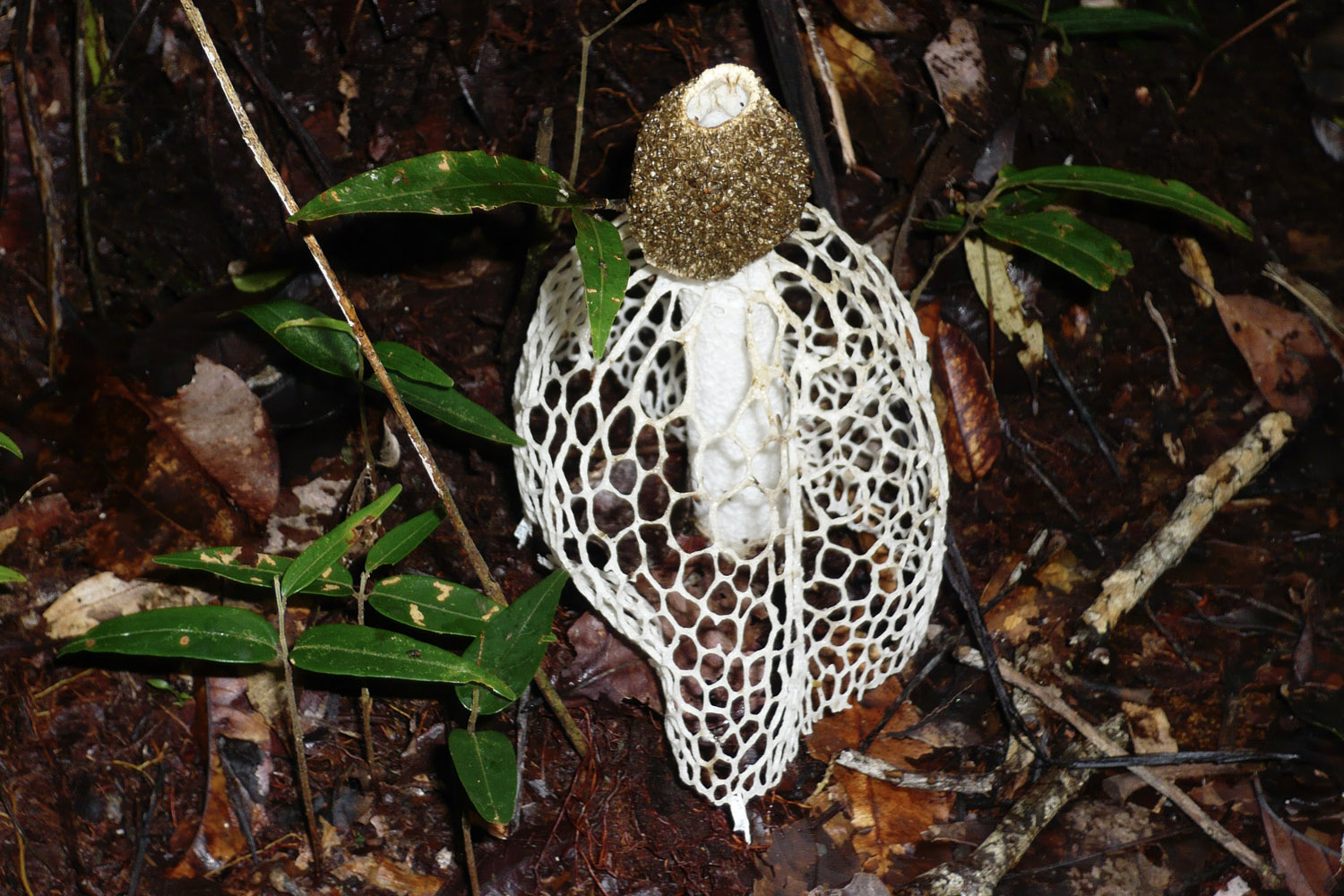
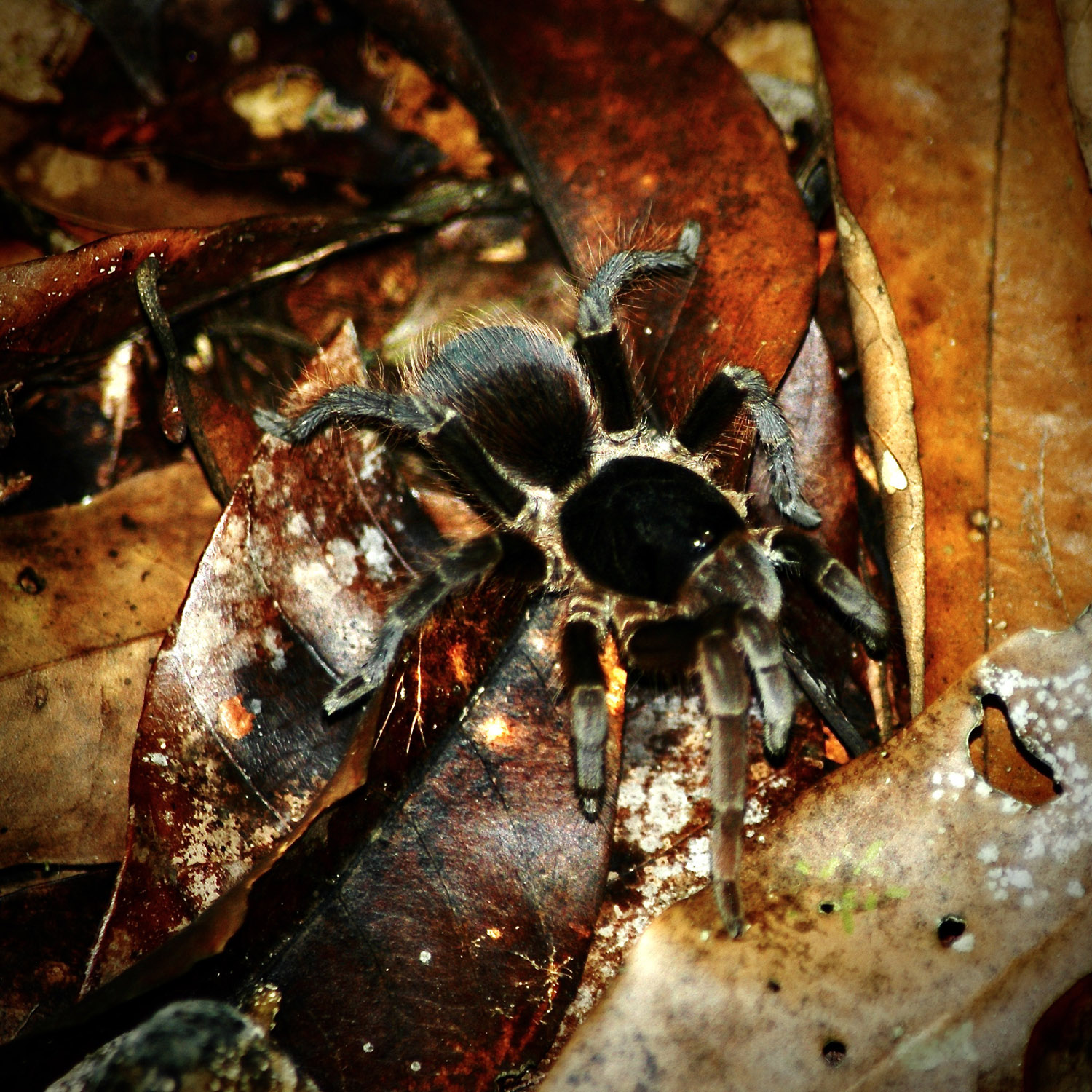
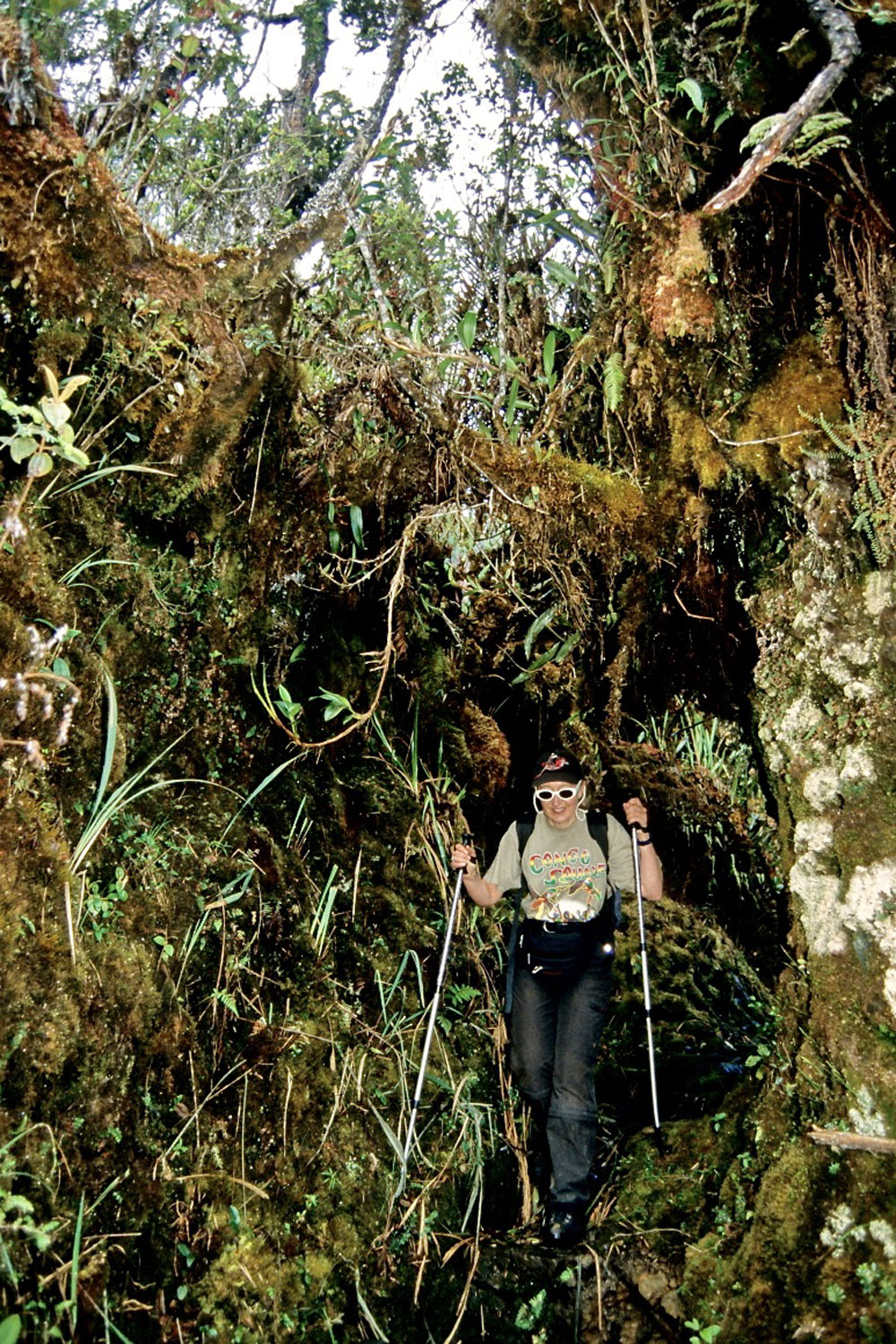
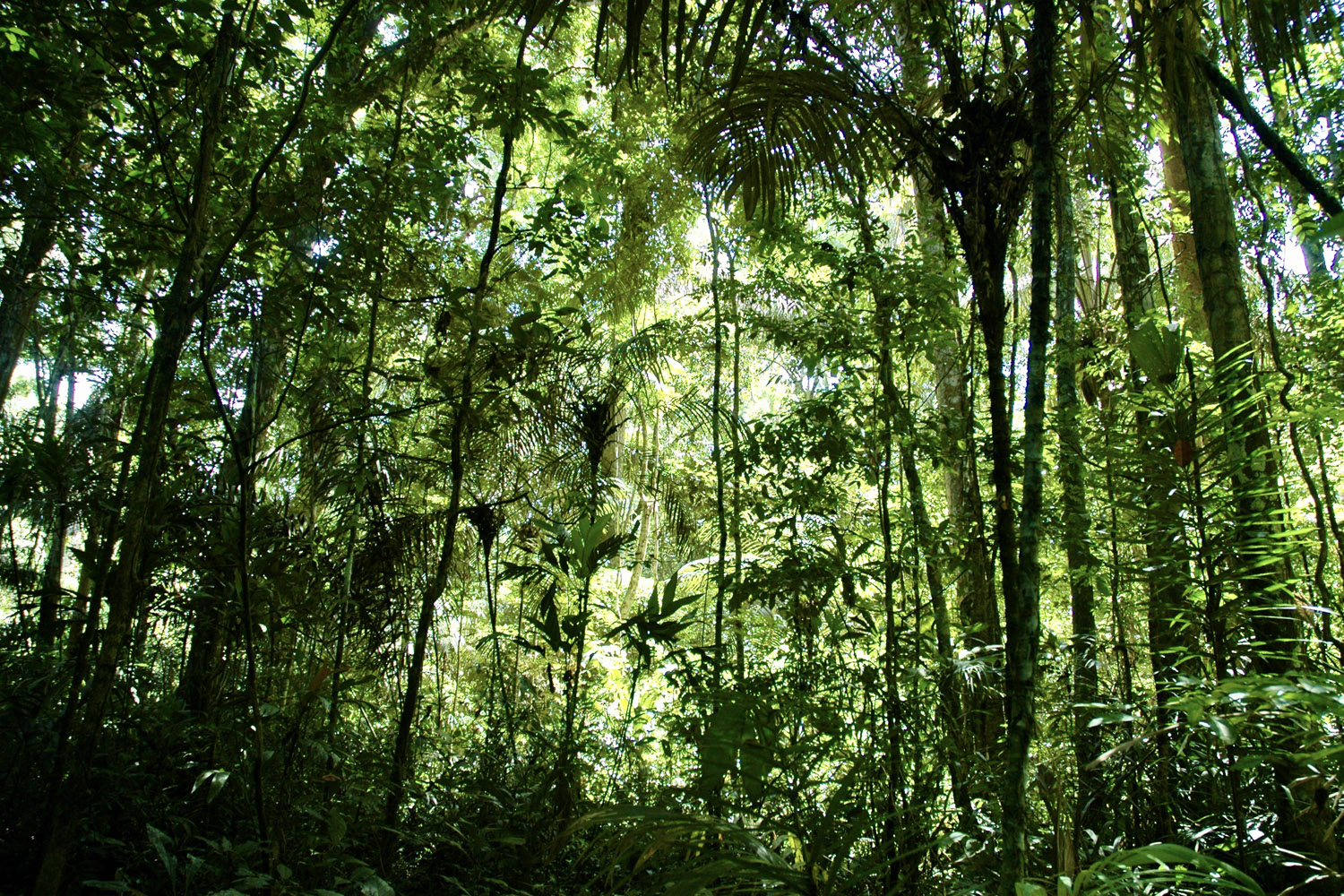
Walking through the rainforest, wet from head to toe – from the rain, the soaked plants, crossing streams and sweat – is a wonderful way for me to escape our stimulus-saturated world. My instincts and perceptions are heightened, my senses sharpened and my mind relaxed, as if I were in a ‘floating tank‘.
SYLVIA FURRER, a Swiss lawyer/economist, and psychiatrist HOLGER HOFFMANN have traveled to over 100 countries since 1977. They became more and more fascinated by the customs and the daily life of indigenous peoples who preserve their traditional culture and subsist in remote areas under harsh conditions – from Siberia to the Danakil Desert, from the jungles of Western New Guinea to the Himalayas.
www.chaostours.ch